-
In the classical music world there seems to be an overarching emphasis placed on what is “correct” and what is “incorrect.” We tend to categorize notes as being “too short” or “too long” or “too sharp” or “too flat” and the list goes on and on. Are we searching for perfection? Does music have to…
-
Sometimes all you need are a few insightful words of wisdom. The following is a list of one liners from various presentations held last weekend at the National Flute Association Convention in New Orleans, LA. I hope they provide you with as much inspiration as they have me. “Small changes during practice make a huge…
-
Scales. Ugh. Just the word reminds most of us of the endless hours in the practice room drilling the same patterns over and over again for pages upon pages of scary black notes that seem to go nowhere (or for those of us that have memorized our scales, watching the clock to make sure we get…
-
In my last blog I discussed the idea of coloring your music to represent the different types of tone colors that you wish to convey in performance. Color may be also used as a practice tool to differentiate the changing nature of aspects such as dynamics, tempo changes, articulation and so on. For the visual learners out…
-
The term “tone color” has varying meanings to different performers. For some, it simply represents a collection of sounds ranging in quality and contextual relevance. For others, “tone color” is associated with interpretative mental images connected with a type of phrase or orchestration often used in conjunction with symbolic words such as “flowing,” “edgy” or “bold.” For myself, and many performers…
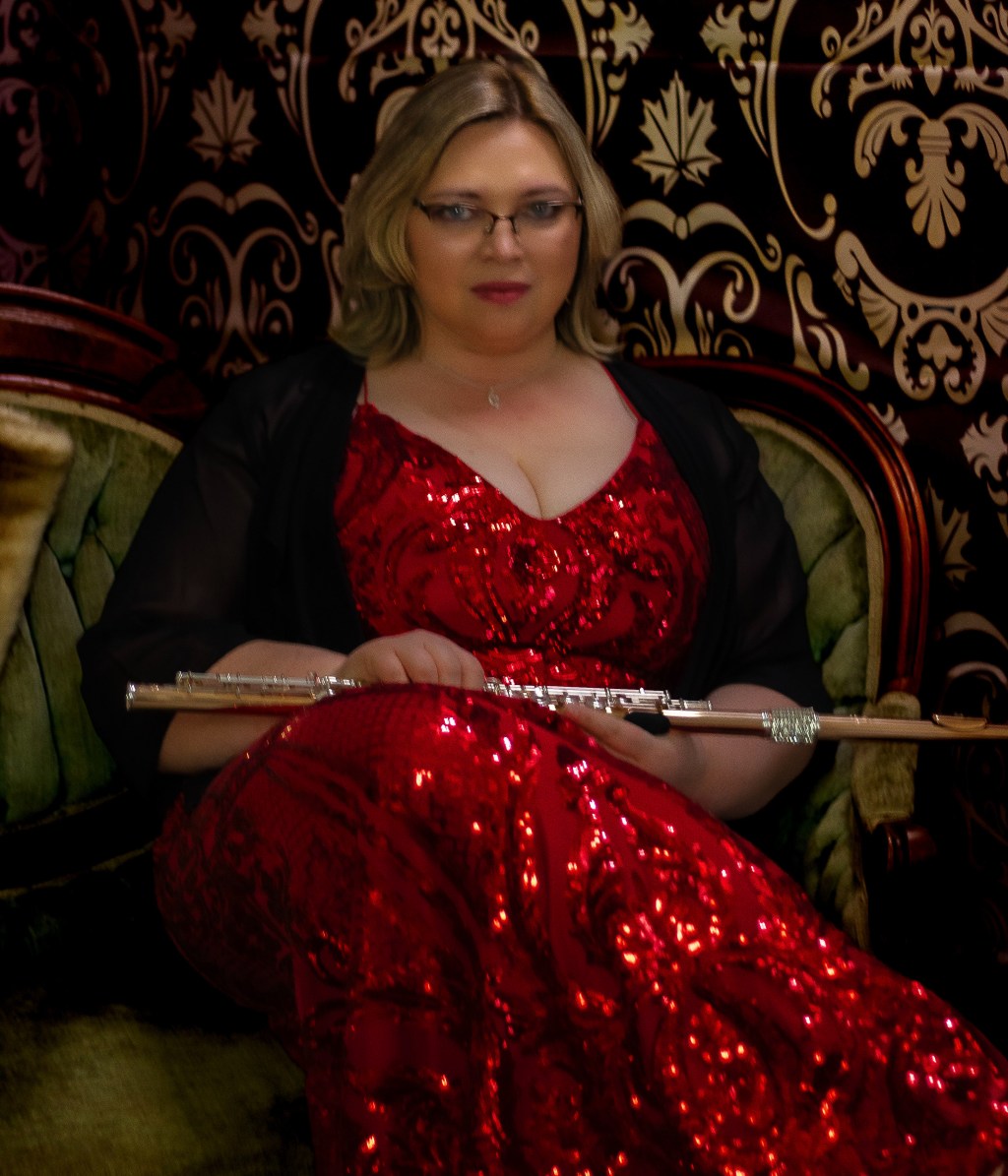
Flute Friday Blog Series
1–2 minutes


Leave a Reply