
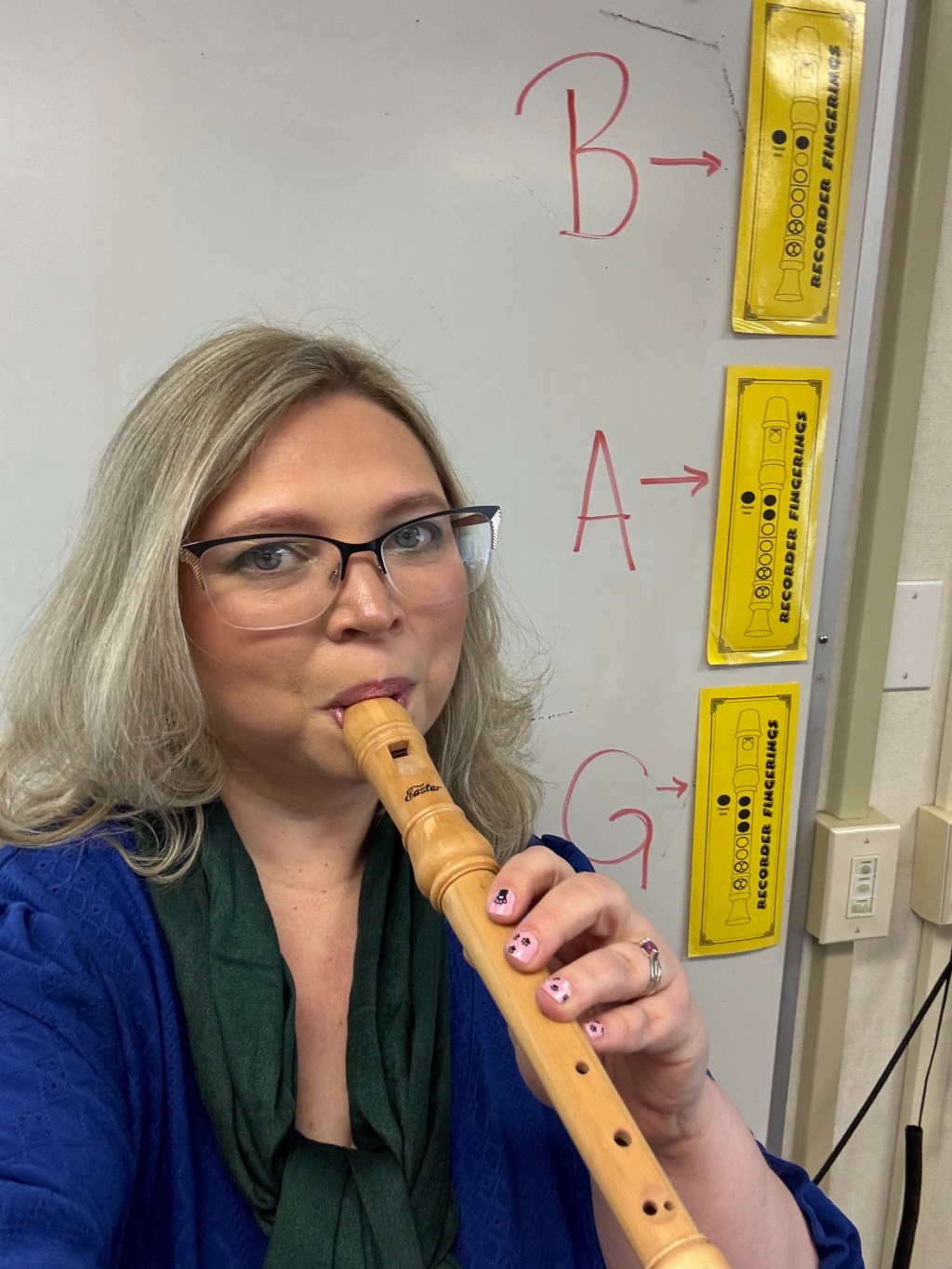
Greetings and welcome to a new, long-awaited, Flute Friday!
I have been ghosting you all for the past year…
Not on purpose – I promise! I have had a crazy, life-changing year. I finally made my pivot away from a full-time job outside of music to focusing on my flute studio, various orchestra gigs, and a brand-new job as an elementary music teacher. I have also continued blogging on the Carolyn Nussbaum Music Company’s Expert Advice page. Check it out here to see my various blogs covering everything from performance anxiety to piccolo care: https://www.flute4u.com/expert-advice
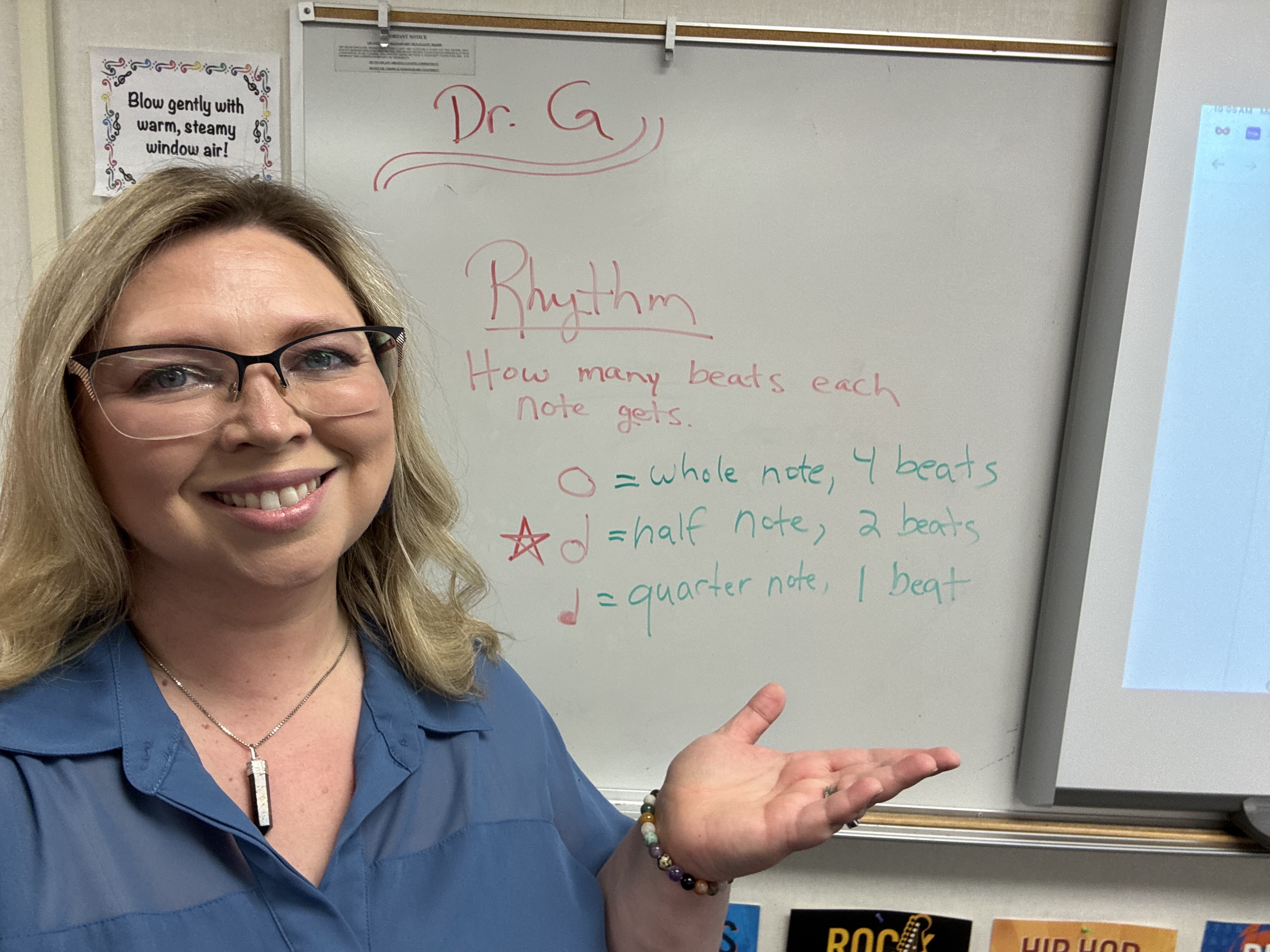
The hardest thing I’ve tackled, as you may imagine, is teaching music to all grade levels at an elementary school. Teaching is not a one-size-fits-all profession. Different ages and grade levels learn at various paces, mastering concepts from easy-peasy, lemon squeezy rhythms like whole notes, half notes, and quarter notes, to performing songs on the recorder, and understanding the nuances between music from different eras in music history. It took a ton of planning and constant reimagining. The very best, most thoughtful lesson plans sometimes unexpectedly fell flat while the more spontaneous, “let’s try this weird thing for a minute,” teaching lightning bolts of inspiration were wild hits. It was a far cry from teaching one on one flute lessons, often requiring more physical energy and mental resilience. But was it worth it???? YES x 100000!! There is no greater feeling than watching children understand music, develop a love for creating music, and witnessing them add music to their own growing personal identity.
In today’s blog, I am sharing some of my greatest lessons from my first school year of teaching elementary music classes. The students taught me literally so much! This experience has been essentially priceless.
LESSONS LEARNED FROM TEACHING ELEMENTARY MUSIC CLASSES
Kids are unpredictable. You can plan, plan, and plan some more. You can have multiple lesson plans for the same day, in case you run short on time or need more content. You can brilliantly match the requirements in the good, old National Standards of Music Education with cute videos and cartoons. But there is no reliable way to predict what kids will like or understand. You can’t even predict what the vibe of the class will be from one class to another. A super engaged class may become totally distracted by one table of students out of the blue. Another more traditionally chaotic class may be totally engaged in something unpredictable, like learning about vocal music. The trick is to remain flexible. If something is not working, don’t be afraid to pivot to something else the students dig! Save the boring stuff for another class.
Singing is not scary. I was sick to my stomach with anxiety before I started teaching kids to sing solfege. I have never really liked my singing voice and was having seriously flashbacks to scary sight-singing classes in my undergrad. But I jumped in! Que sera sera. And it turned out to not be scary at all. Mostly because the kids really enjoyed singing and seemed to understand the importance of solfege. I often told my students this is my “survival singing” voice but they said I sounded beautiful like Ariel from The Little Mermaid. I’ll take it! Singing made the kids feel comfortable and confident in music class. Once we learned to sing a song together, I gave students an opportunity to sing solos in front of everyone. This would have terrified me as a kid, but I found that the students loved this part of class and supported their friends when they sang in front of the group. They weren’t scared to sing so neither was I!
Kids like learning tunes they recognize. The bummer about some music books is that they start with the same boring tunes that we all learned as kids. I lost track of the number of times my recorder students asked me to play the Squid Game song instead. So, when they learned a few more notes, I taught them to play Squid Game themselves with the notes they had already learned. To switch things up even further, I taught the older kids to play the Kendrick Lamar “Not Like Us” riff on their recorders (which is only 4 notes but a great way to teach kids about chords). I often heard the riff played out on playground as I was leaving school for the day.
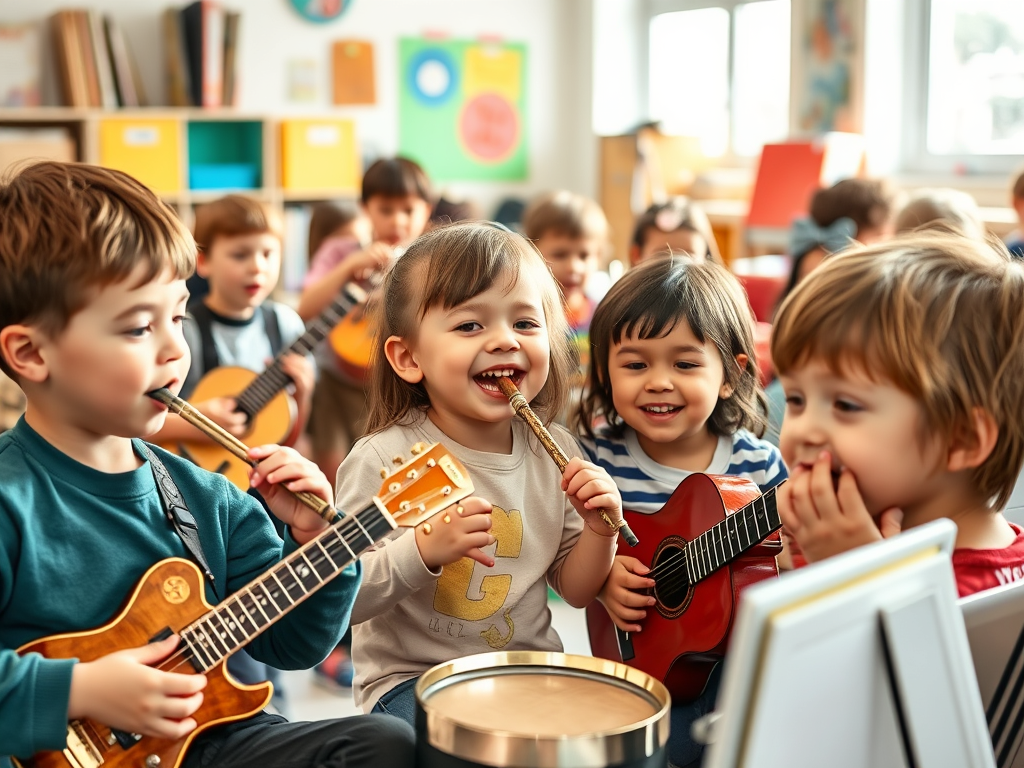
Trying out instruments was a big hit. I asked my students this week what their favorite part of music class was, and it was unanimous – Trying out instruments. I had a drum class, a class where they each got to try to make a sound on the flute, and another class where they got to play xylophones. Trying out new instruments made even the most rambunctious classes concentrate with laser focus. Kids like learning something new and weird.
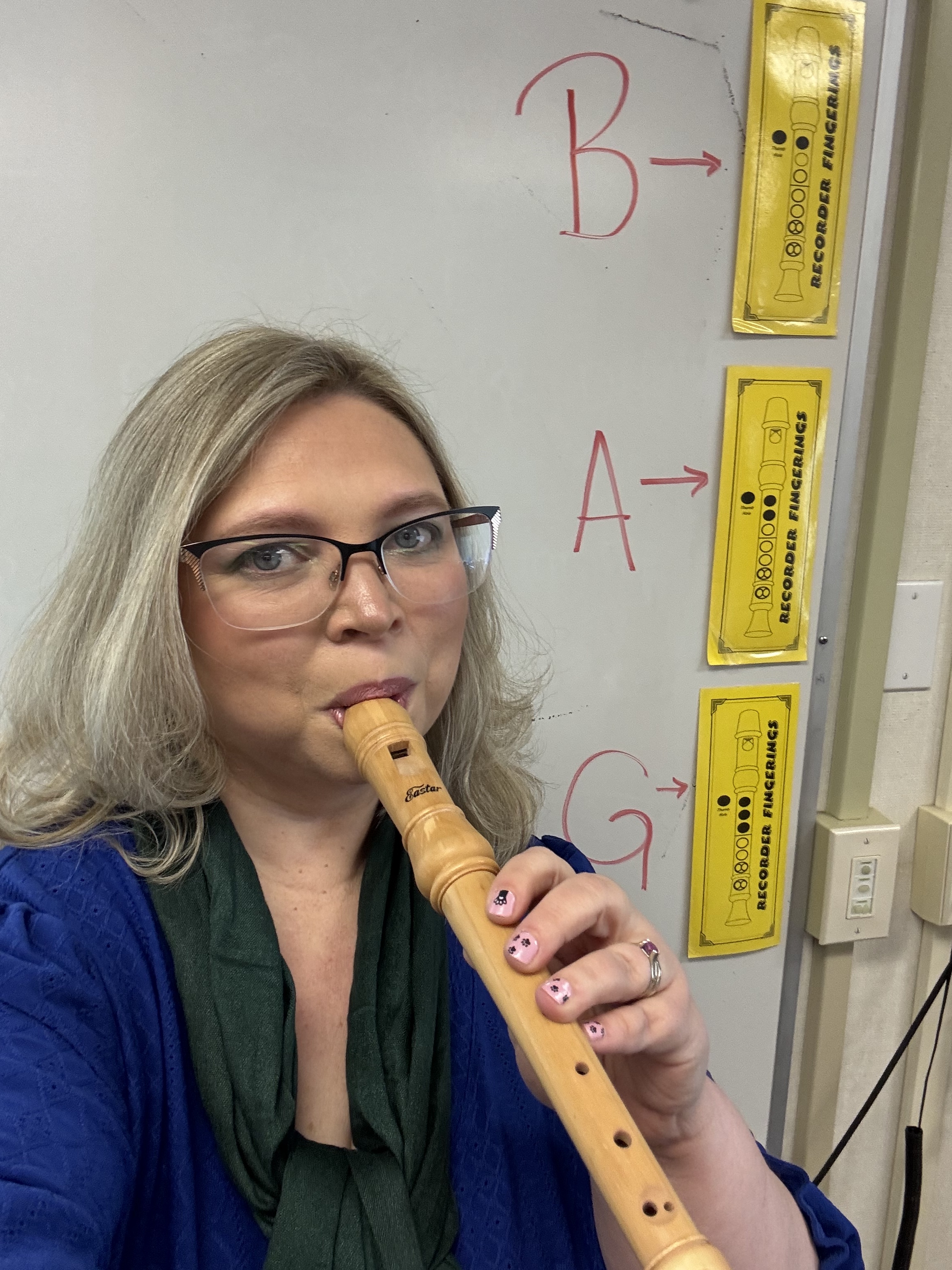
The reward system RULES. Mid-way through the year, I noticed some of the kids in my 3rd and 4th grade classes were struggling to remain engaged. I needed to change things up a bit to get them back on the program. Enter the rewards system. I had 8 (you read that right..) recorder classes! Usually, kids learn to play the recorder in the 4th or 5th grade as a precursor to Band class in 6th grade. This year I was asked to teach as many classes as possible to learn the recorder. I started the Recorder Guru system where I would select one student from each class that was really working hard, asking questions, and staying focused. This was great for getting the kids back on track! I then started a ballot contest for the best recorder performance and best table group performance, where we all voted on the Recorder Guru(s) of the day. Success! Finally, I opened up a contest to rename “Every Good Boy Deserves Fudge” (which is the traditional saying we use to remember the names of the lines on a staff). The winner received The Golden Recorder (which is just a recorder….that is a gold color). Our winner was announced at the concert – Every Good Bee Deserves Flowers. The students engaged super well in all of the contests, and it made participating in music class fun and interesting. Not just the same “Do re mi” of yesteryear.
Work together with your other teacher colleagues. They often know your students better than you do because they spend every day with them where you might only see them once or twice every two weeks. If there are behavioral issues, have a chat with the primary teacher to brainstorm ways to get them back on track. If there are learning issues, work with your aides on a good way to alter your lesson plans or encourage kids to participate in different ways. Check in with your principal with any concerns you may have about the class that cannot quite be worked out with the primary teacher. Everyone wants the students to succeed, learn, and have fun.
Kids ask a lot of questions. Some may be on topic. Some may be totally unrelated. Some are just stories they want to share with you. Today I had a student tell me that their parents took them to McDonalds after our music concert to get a Happy Meal. Another student told me that they couldn’t come to the concert because their mom had a hair appointment, but it was okay because they had good snacks there. You will also find yourself answering the same question multiple times in a row from different students. “Dr. G., I need to get a new recorder karate belt because mine broke.” Me – “See me after class.” Next student – “What should I do if my recorder karate belt broke? Can I get a new one.” Me – “See me after class.” Even if you make an announcement answering the question, they will still ask again. Just remain patient and upbeat.
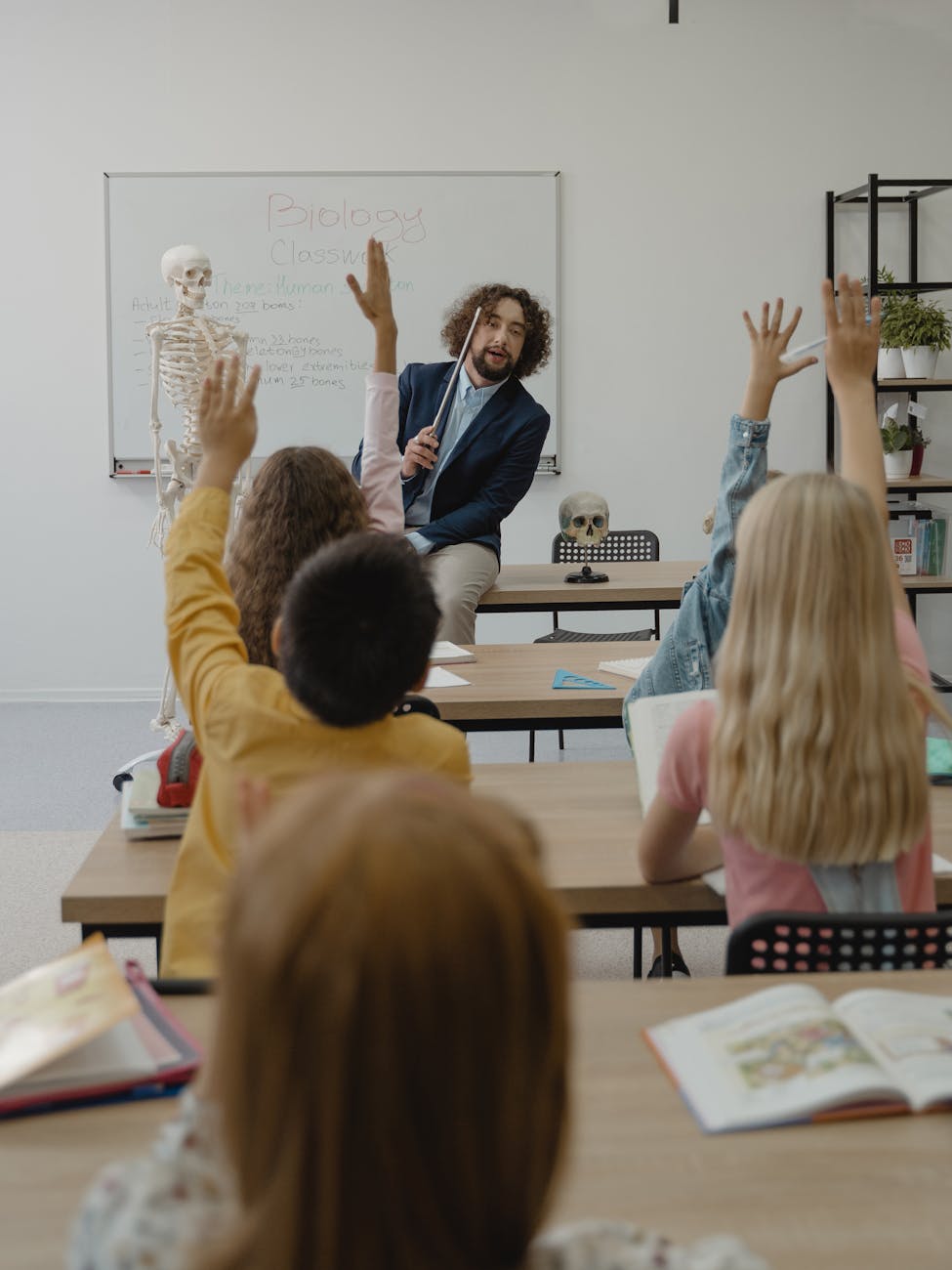
Your quiet time is precious between classes. As temping as it may be, try not to book a lot of things between classes. Teaching larger classes takes a lot of physical and mental energy. This is even more important if you are a natural introvert or even an extroverted introvert like me. We need to hold on to those quiet classroom moments to quicky recharge our social batteries. Kids love to come in at recess to learn more about music, ask more questions, or hang out playing the congas or the piano. Try to limit this for your own sanity. Lunch time is great! Open the doors at lunch if kids want to explore but keep those quick 20-30 minutes between classes sacred in order to recharge.
Teaching younger students requires you to trust yourself and your own preparation. This is the greatest lesson I learned during my first year of teaching at an elementary school. Kids can smell fear. And it is nerve-wracking to prepare classes that you don’t know for sure will be successful, fun, or truly educational. For the first couple of classes, I would stick to my lesson plan to the letter. I even re-typed handwritten lesson plans so I would have a pretty piece of paper to read from for each class. That did not last very long because I often had to pivot from my original plan, or the kids would ask other questions that I was planning to address in future classes or not even planning to tackle at all (for example, the 5th graders asked me about conducting at the end of a class and I gave them a crash course in how to conduct a 4-beat pattern). Sometimes I had too much material planned and other times I did not have enough. What I ended up doing is memorizing the basic plan for each class and the additional activities that we could do if we needed more time/fun. If we didn’t get to everything, no biggie. As long as they were learning the main lesson of the day, I considered the day a success. But in order to get there, I needed to trust myself. I can teach these lessons. I can pivot if I need to. I can teach other things not on my agenda. I trust myself to teach and know my material. This confidence transferred beautifully into my flute playing too! I trust myself and my own preparation. I’ve got this now!
****
Have you taught elementary school music classes before? What were your lessons? What was your greatest take-away? Please comment below!
Happy fluting!

 Rachel Taylor Geier
Leave a comment